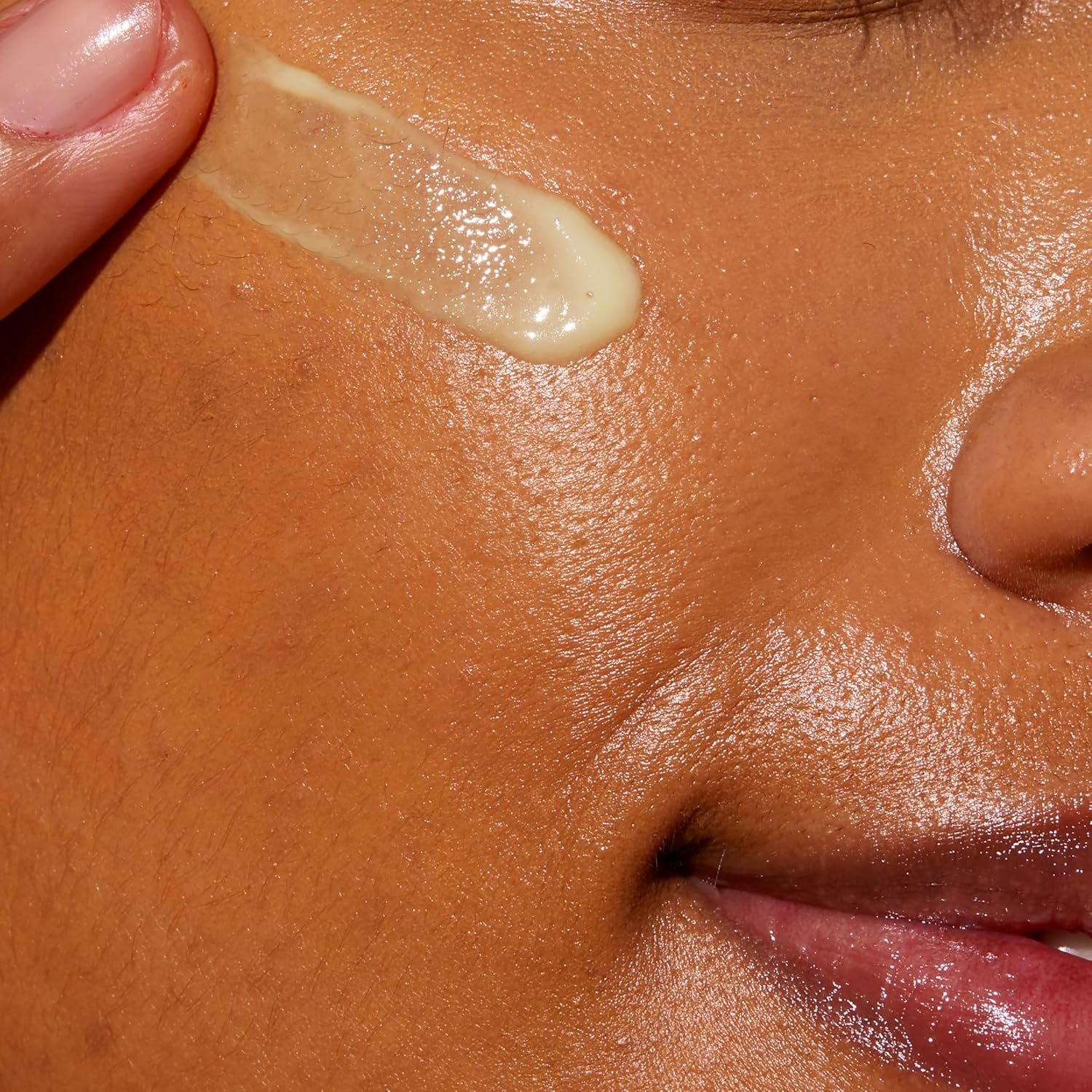
Retinol has a reputation. Some people swear by it. Others say it destroyed their skin.
Both stories can be true.
Retinol is one of the most effective skincare ingredients available, but it’s also one of the easiest to misuse. The difference between great results and a damaged skin barrier usually comes down to how slowly and thoughtfully it’s introduced.
Retinol is a form of vitamin A that encourages faster cell turnover. In simple terms, it helps your skin renew itself more efficiently. Over time, this leads to smoother texture, fewer visible lines, clearer pores, and more even tone. It also supports collagen production, which is why it’s often associated with anti-aging.
Unlike prescription retinoids, over-the-counter retinol is designed to be accessible and gentler. That doesn’t mean it’s weak. It means it needs respect.
Retinol tends to be especially helpful for people noticing early signs of aging, dealing with acne or post-acne marks, or struggling with uneven texture. However, extremely sensitive skin, active eczema, or rosacea may require professional guidance before starting.
The biggest mistake with retinol is moving too fast.
Most irritation stories start the same way: high concentration, nightly use, and no barrier support.
A better approach is to think in terms of training your skin.
Starting with a low-strength retinol and using it once or twice per week gives your skin time to adapt. As tolerance builds, frequency can be increased gradually. There’s no prize for rushing.
Retinol should be used at night. Not because it’s dangerous in daylight, but because sunlight deactivates it and freshly renewed skin is more vulnerable to UV damage.
How you apply retinol matters as much as how often you use it.
Many people find success with the “sandwich” method: a thin layer of moisturizer, followed by retinol, followed by another layer of moisturizer. This buffers the skin and significantly reduces dryness and irritation.
Moisturizer isn’t optional when using retinol. A strong skin barrier is what allows retinol to work long term.
Sunscreen the next morning is equally essential. Retinol makes skin more sun-sensitive, and skipping SPF can lead to irritation and pigmentation issues that undo progress.
Some dryness, flaking, or mild peeling in the first few weeks is common. Burning, stinging, or intense redness is not. Those are signs to pause, simplify, and reduce frequency.
Retinol rewards patience.
Many people notice smoother skin within a month or so. Improvements in fine lines, dark spots, and overall tone usually become visible after two to three months of consistent use.
Retinol isn’t a quick fix.
It’s a long-term relationship.
When introduced slowly and supported with hydration and sun protection, retinol can become one of the most transformative tools in a skincare routine.
