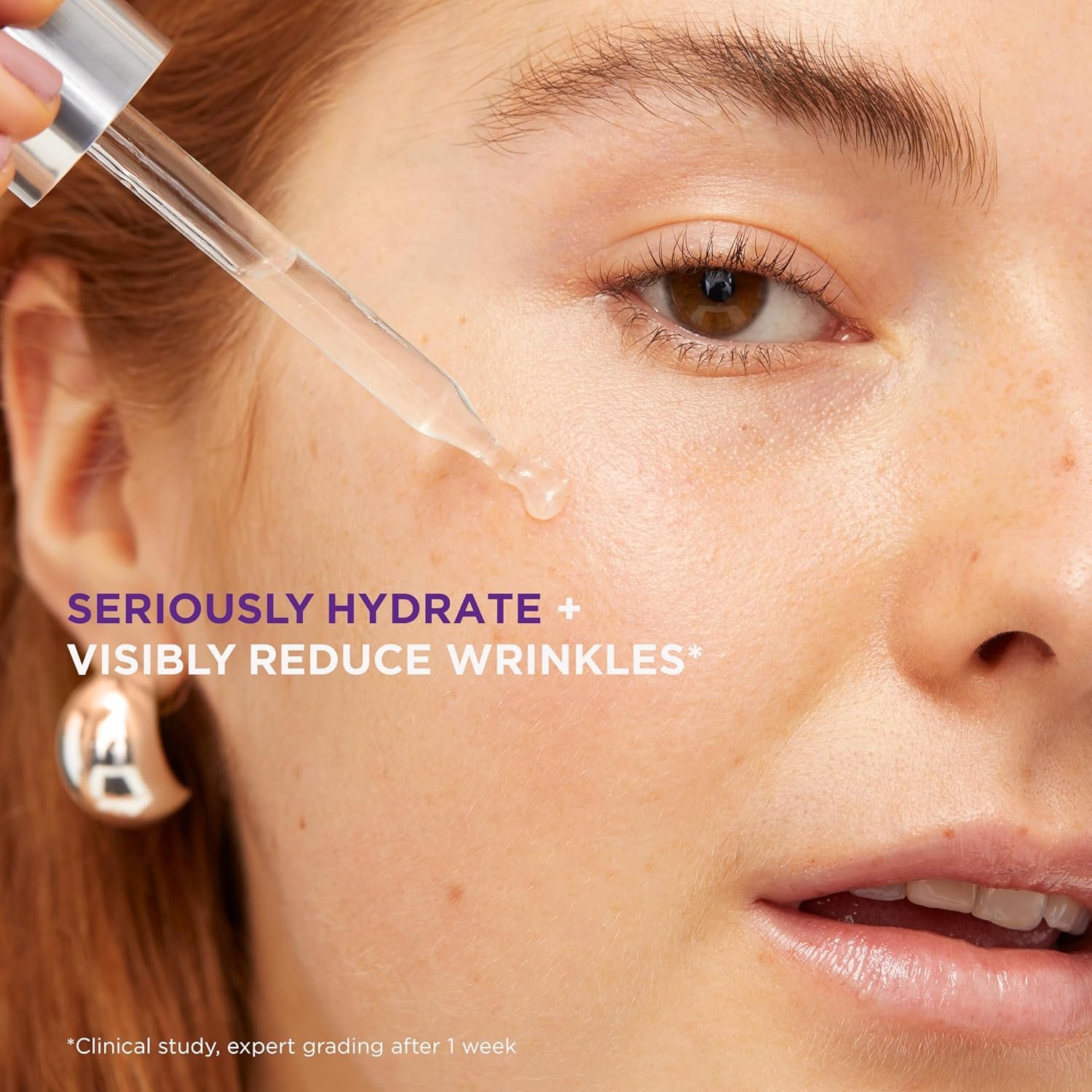
Hyaluronic acid has a reputation as a miracle hydrator. It’s in serums, creams, toners, masks, and even makeup. Yet many people try it and feel… underwhelmed. Some even notice their skin feels tighter instead of more hydrated.
The issue usually isn’t the ingredient itself.
It’s how it’s being used.
Hyaluronic acid is best understood as a water-binding molecule. Your skin naturally contains it, and its main role is to attract and hold onto moisture. In skincare, it doesn’t “create” hydration on its own — it helps manage and distribute water within the skin.
That distinction matters.
When applied correctly, hyaluronic acid helps skin feel plumper, softer, and more comfortable. When used incorrectly, it can pull moisture away from the skin instead of into it.
One of the reasons hyaluronic acid is so widely loved is its versatility. It doesn’t exfoliate, increase cell turnover, or thin the skin. Instead, it focuses on hydration and barrier support, which makes it suitable for nearly every skin type — dry, oily, sensitive, acne-prone, or combination.
It’s especially useful if your skin feels tight after cleansing, looks dull, or becomes uncomfortable in air-conditioned or cold environments. Even oily skin can be dehydrated, and hyaluronic acid can help correct that imbalance without adding heaviness.
The most important thing to understand is that hyaluronic acid needs water in order to work.
Applying it to slightly damp skin gives the molecule something to bind to. If it’s applied on completely dry skin, especially in a dry climate, it may start pulling moisture from deeper layers of the skin instead of from the surface.
Equally important is what comes next.
Hyaluronic acid should always be followed by a moisturizer. The moisturizer seals hydration in and prevents water from evaporating. Skipping this step is one of the most common reasons people feel hyaluronic acid “doesn’t work.”
In terms of placement in a routine, hyaluronic acid usually comes after cleansing and before moisturizer. It can be used in both morning and evening routines, and it pairs well with almost every other ingredient, including retinol, vitamin C, niacinamide, and exfoliating acids.
It’s a supporting player rather than a main treatment — and that’s a good thing.
Many people notice an immediate improvement in skin comfort after using hyaluronic acid. Long-term use can lead to better texture, increased softness, and a healthier-looking glow as the skin remains consistently hydrated.
A few common mistakes are worth avoiding. Using hyaluronic acid as a replacement for moisturizer, layering multiple hydrating products unnecessarily, or relying on it alone in very dry environments can limit its benefits.
Hydration is about balance, not excess.
Hyaluronic acid isn’t flashy, but it’s dependable. When used properly, it quietly improves how the skin feels and functions, day after day.
