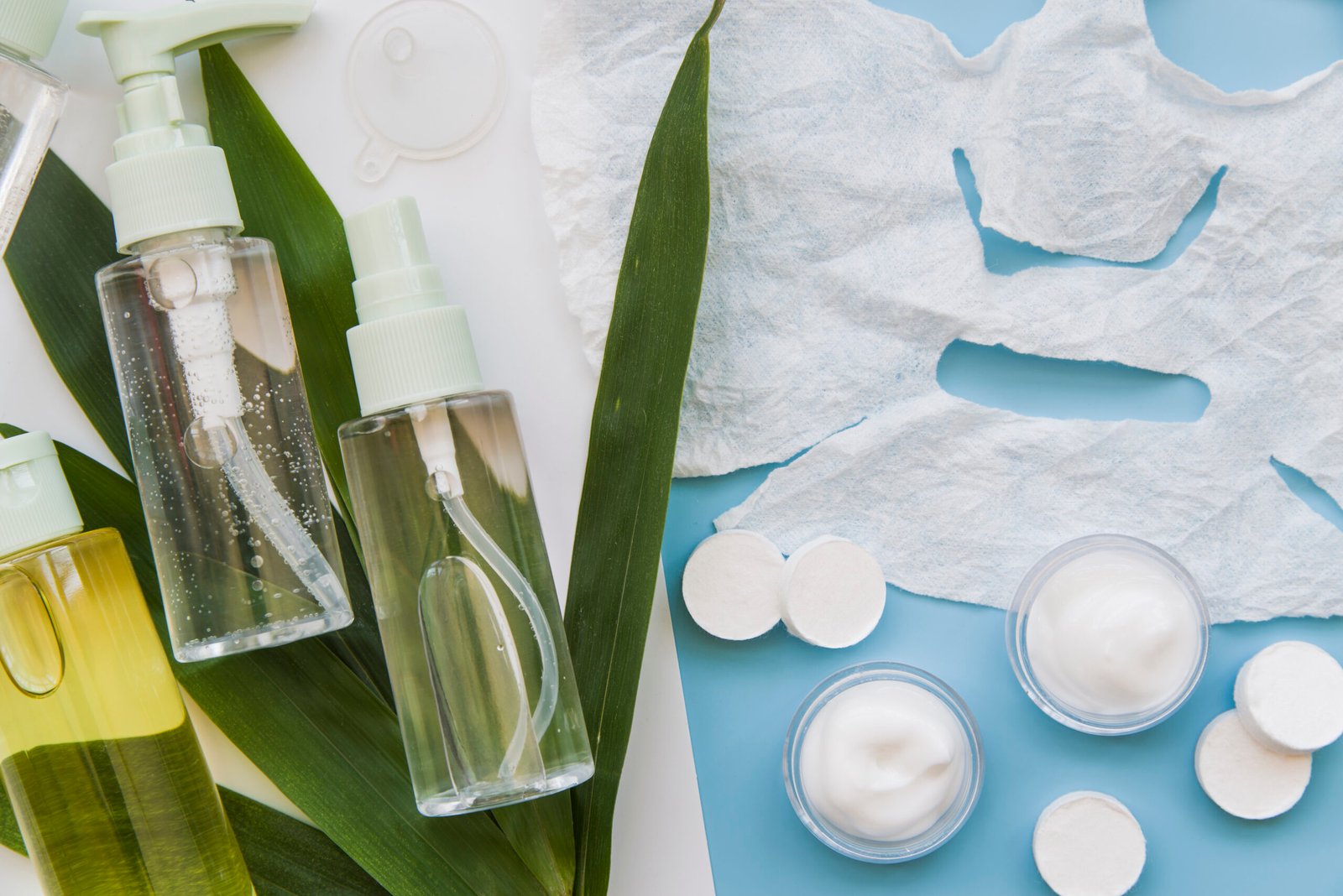
If you’ve ever wondered whether luxury skincare is actually better, you’re not alone. With so many high-end serums, creams, and treatments trending online, it’s easy to assume that a higher price automatically means better skin. But the truth is a little more nuanced — and honestly, more comforting.
One of the biggest myths in the beauty world is that expensive skincare equals faster results. In reality, your skin doesn’t recognize price tags — it responds to ingredients, consistency, and balance. Products that contain proven actives like retinol, vitamin C, niacinamide, or hyaluronic acid can work beautifully whether they’re affordable or premium.
So why do some products cost more? Luxury skincare often focuses on textures, packaging, fragrance, and branding. Some brands also invest in advanced formulations or stabilization technologies that can make certain ingredients feel more elegant on the skin. That experience can absolutely be worth it if it helps you enjoy your routine and stay consistent — because consistency is what truly transforms skin over time.
That said, many affordable products today are incredibly effective. A simple cleanser, a barrier-repair moisturizer, or a well-formulated sunscreen doesn’t need to be expensive to protect your skin. In fact, dermatologists often recommend building a routine around simple essentials first, and only investing more in specific treatments if your skin really needs them.
Another important thing to remember is that luxury products aren’t automatically stronger. Sometimes, simpler formulas are actually better for sensitive or reactive skin because they reduce the risk of irritation. Instead of focusing only on price, try looking at the ingredient list, your skin type, and how the product fits into your daily routine.
So, is expensive skincare worth it? It can be — but only when it aligns with your skin goals, not just trends. The best skincare routine is one that feels sustainable, effective, and enjoyable enough that you’ll stick with it long term.
